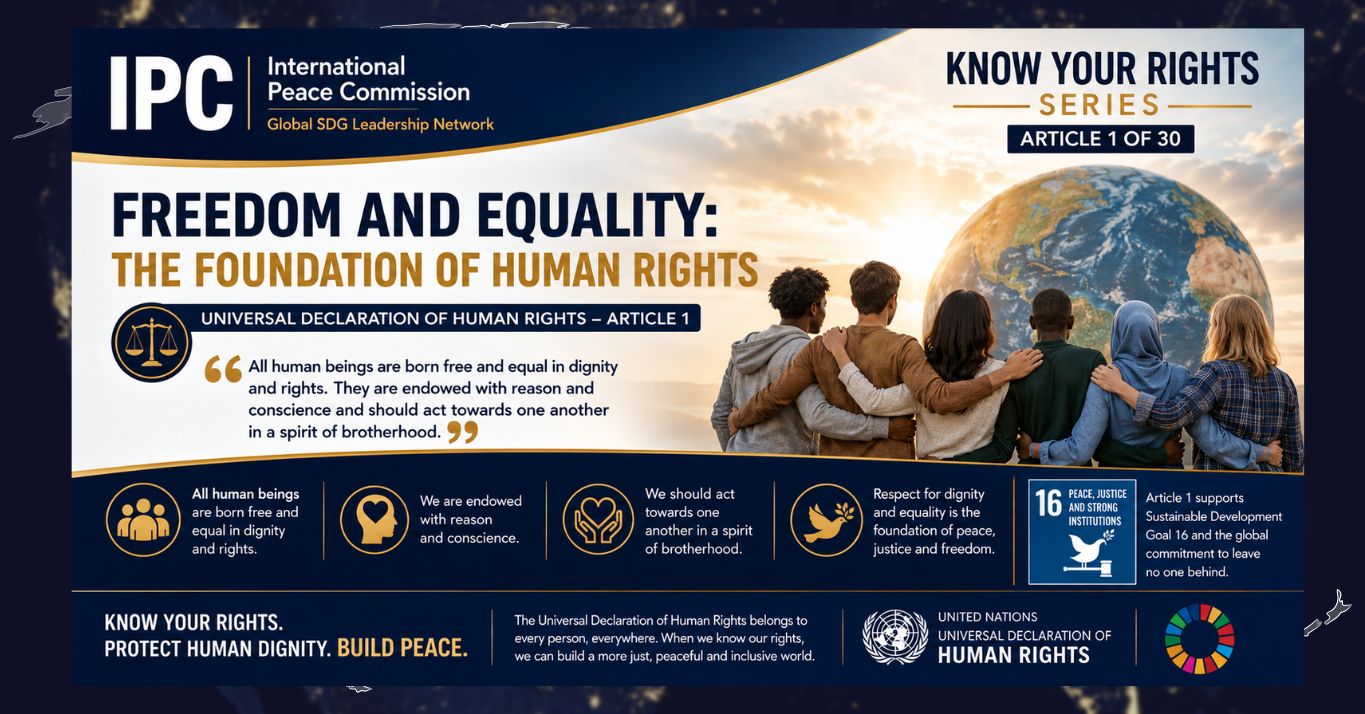
Universal Declaration of Human Rights – Article 1
"All human beings are born free and equal in dignity and rights. They are endowed with reason and conscience and should act towards one another in a spirit of brotherhood."
Introduction
Every human right begins with a simple but profound principle: all people are born free and equal in dignity and rights. This opening article of the Universal Declaration of Human Rights (UDHR) establishes the moral and legal foundation upon which every other human right is built.
Adopted by the United Nations General Assembly on 10 December 1948, the Universal Declaration emerged from the determination of the international community to prevent the atrocities of war, discrimination, persecution, and injustice from ever becoming accepted as normal. Article 1 serves as the Declaration's guiding principle, reminding humanity that dignity belongs equally to every individual, regardless of nationality, race, religion, gender, language, political opinion, social origin, disability, or any other status.
More than seventy-five years later, its message remains as relevant as ever.
Understanding Article 1
Article 1 recognizes three fundamental principles.
The first is freedom. Every person is born with inherent freedoms that cannot be granted or removed by governments, institutions, or individuals. Human rights exist because of our shared humanity—not because they are bestowed by authority.
The second principle is equality. Every individual deserves equal recognition, equal respect, and equal protection under the law. Equality does not require people to be identical; rather, it requires that every person be treated with fairness and without discrimination.
The third principle is human dignity. Dignity is the intrinsic worth possessed by every human being. Respect for dignity forms the ethical foundation of justice, peace, democracy, and sustainable development.
Article 1 also emphasizes that human beings are endowed with reason and conscience. These qualities give individuals both the ability and the responsibility to act toward one another with respect, compassion, understanding, and solidarity.
Why Article 1 Matters Today
Although significant progress has been made in promoting human rights worldwide, millions of people continue to experience discrimination, conflict, poverty, exclusion, forced displacement, and violations of their fundamental freedoms.
Article 1 reminds governments, institutions, communities, and individuals that peace begins with recognizing the equal dignity of every person.
Societies that respect equality and human dignity are better equipped to promote social cohesion, strengthen democratic institutions, protect vulnerable populations, and resolve differences peacefully. Conversely, discrimination, exclusion, and inequality often become the root causes of instability, conflict, and injustice.
Protecting human dignity is therefore not only a human rights obligation—it is an investment in lasting peace.
Article 1 and the Sustainable Development Goals
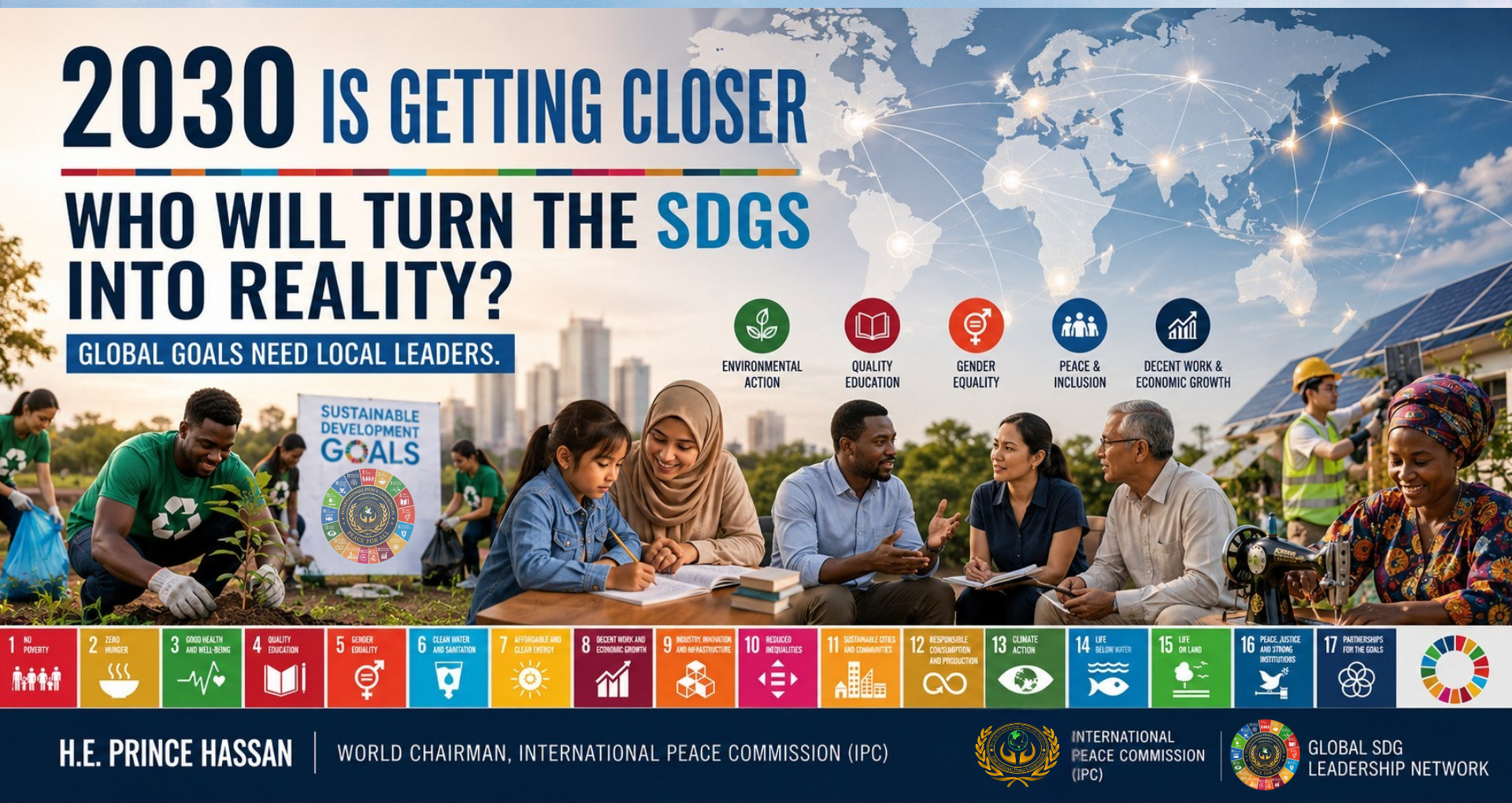
The principles of Article 1 support the entire 2030 Agenda for Sustainable Development.
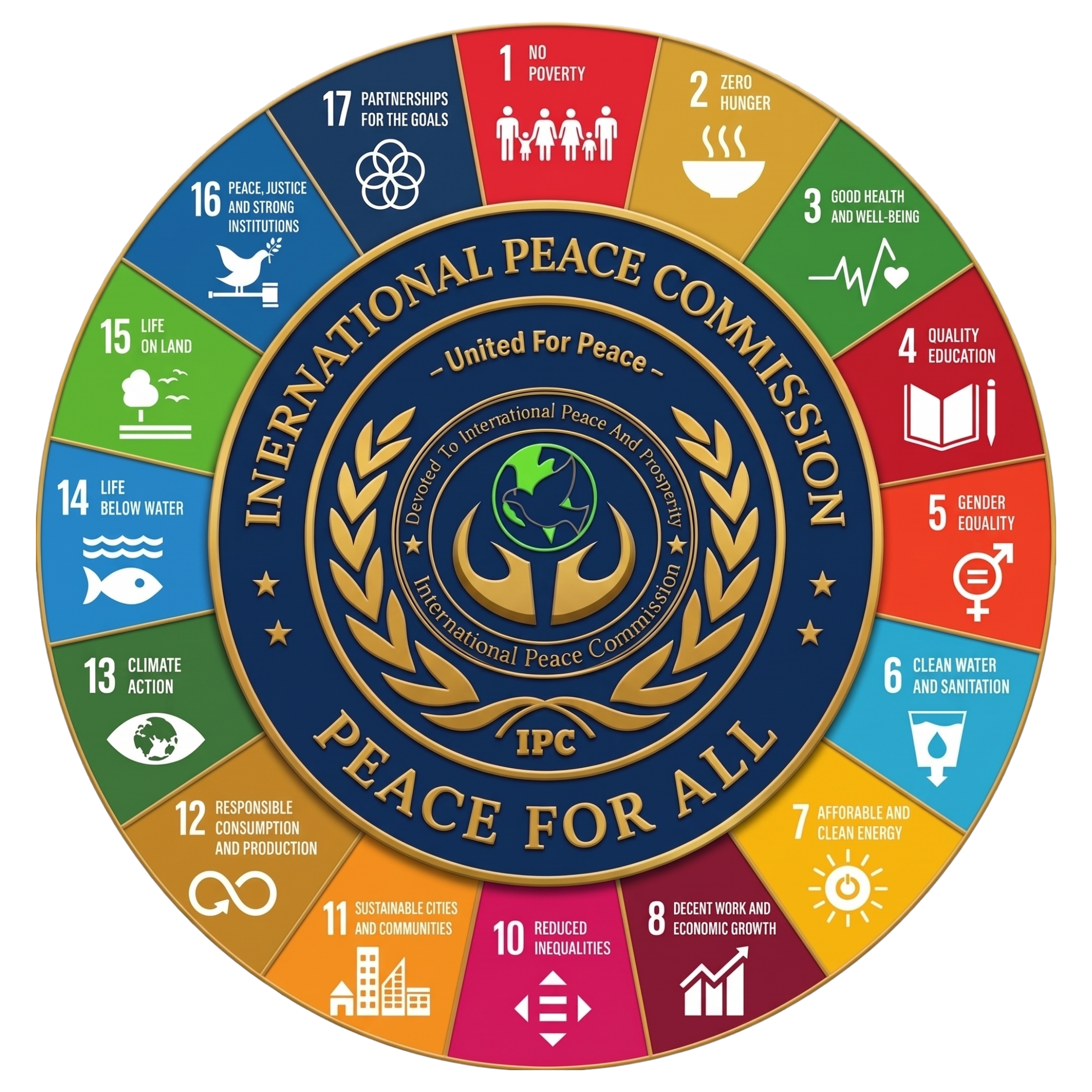
Its values are reflected throughout the Sustainable Development Goals, particularly:
- SDG 1 – No Poverty
- SDDG 5 – Gender Equality
- SDG 10 – Reduced Inequalities
- SDG 16 – Peace, Justice and Strong Institutions
- SDG 17 – Partnerships for the Goals
The commitment to "Leave No One Behind" begins with recognizing that every person possesses equal dignity and equal rights.
IPC Perspective
The International Peace Commission believes that sustainable peace cannot exist where human dignity is ignored or equality is denied.
Peace is more than the absence of conflict. It is the presence of justice, respect, inclusion, opportunity, and shared responsibility. Communities become stronger when every individual is treated with fairness, every voice is respected, and every person is able to participate fully in society.
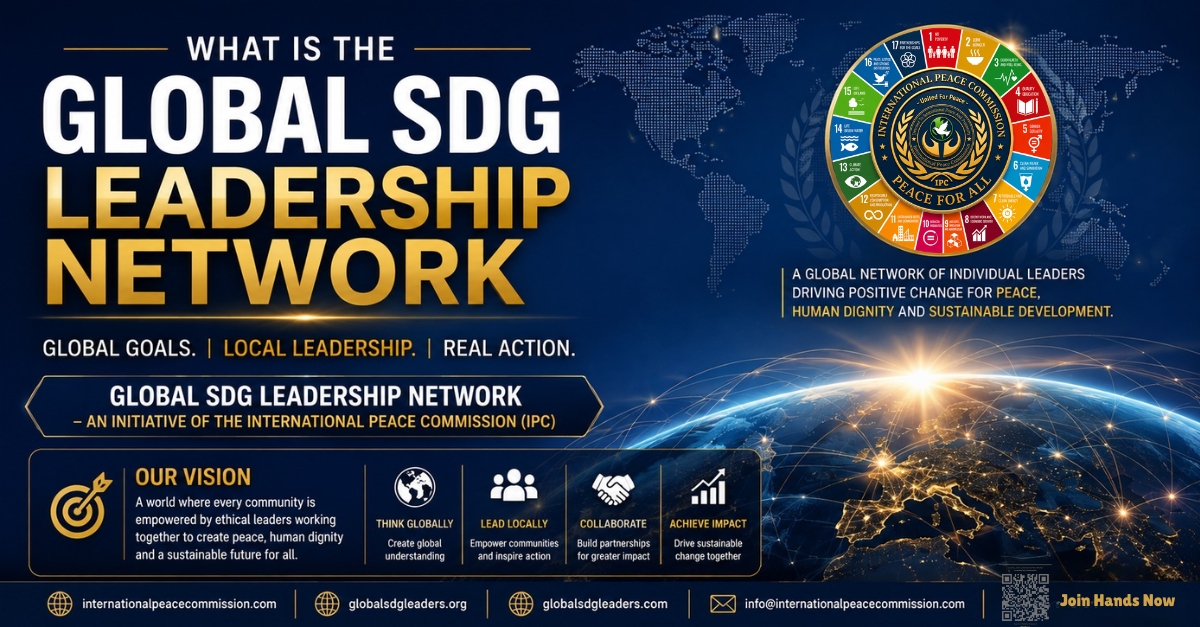
Through education, dialogue, leadership development, and international cooperation, the International Peace Commission and the Global SDG Leadership Network remain committed to promoting a global culture founded on peace, human dignity, equality, and respect for universal human rights.
Article 1 is not merely the beginning of the Universal Declaration of Human Rights—it is the beginning of every meaningful conversation about peace.
Looking Forward
The promise contained in Article 1 challenges each generation to build societies where equality is not simply proclaimed but practiced.
Whether through public service, education, community leadership, civil society, business, or international cooperation, every individual has a role in advancing dignity, respect, and equal opportunity for all.
Human rights begin with recognizing our common humanity.
Peace begins with recognizing each other.
About the Know Your Rights Series
The Know Your Rights Series is an educational initiative of the International Peace Commission designed to increase public awareness of the Universal Declaration of Human Rights and encourage greater understanding of the rights and freedoms that belong to every person.
By promoting human rights education, the International Peace Commission and the Global SDG Leadership Network seek to strengthen human dignity, foster peaceful societies, support the rule of law, and advance the United Nations Sustainable Development Goals.
Know Your Rights. Protect Human Dignity. Build Peace.
H.E. Prince Hassan
World Chairman
International Peace Commission
Founder & Ambassador at Large
Global SDG Leadership Network